


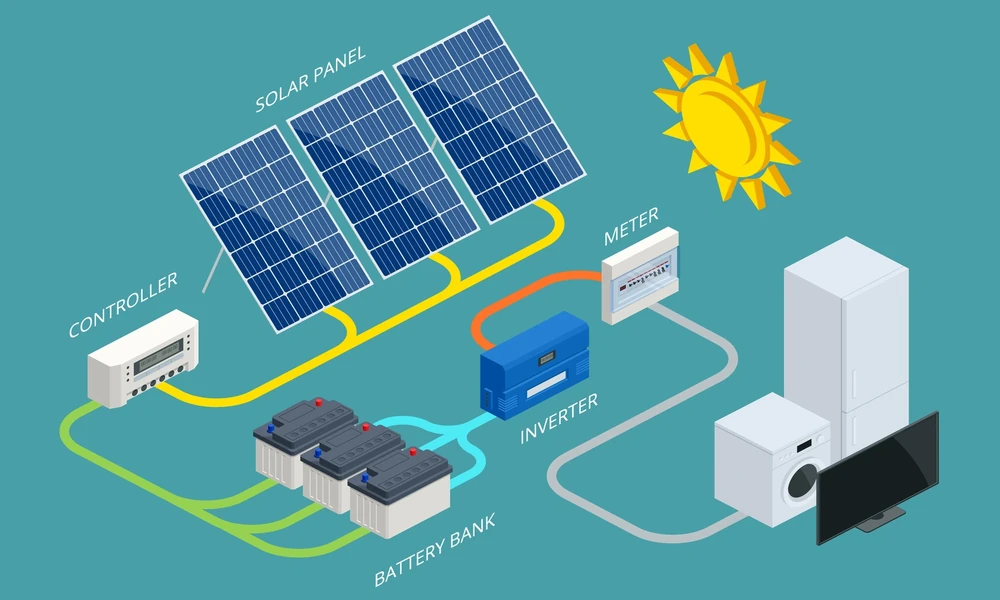
A battery energy storage system provides you with a way of capturing renewable energy and non-renewable energy alike, storing it in rechargeable battery systems that are then kept for a later time and date when it can be used effectively. With an intention across multiple industries to transition to green energy use wherever possible, and with the improvement of technology in the green sector, a battery energy storage system provides an efficient way to boost your green credentials, to optimise energy use, and lower your costs.
What is a battery energy storage system (BESS)?
A battery energy storage system captures energy from a renewable source, usually solar power or wind power, and stores it in a device that houses rechargeable batteries. This means that you can store up energy for future use, using the renewable energy at night for cheaper energy use or at times where there are blackouts on the grid, as an emergency power situation. BESS has become an essential tool for commercial and industrial organisations, especially as every industry contends with the challenges of transitioning to Net Zero.
A BESS collects the energy that has been created by a renewable energy source, storing it using battery storage technology. When it is necessary, the batteries discharge to release the energy stored. This is usually during peak demand, when there are power outages, or grid balancing. There are other components aside from the batteries that are required for the system to be connected as an electrical network. This includes a bidirectional inverter or power conversion system (PCS) to convert power between the CD battery systems and the AC line voltage, allowing for power to flow both ways. An energy management system (EMS) is also necessary to manage the controls of all components within the system.
What are the benefits of a battery energy storage system?
Battery storage systems bring with them a whole host of advantages, including:
- Environmental – reduce your carbon emissions significantly and reduce reliance on traditional fossil fuels.
- Energy costs – store low-cost energy and discharge it at times when electricity is expensive, avoiding higher tariffs and lowering your energy costs.
- Round-the-clock renewable energy – the sun isn’t always there, so by storing solar energy you can utilise it at night or other times of day where there are fluctuations in solar energy supplies.
- Reduce dependency on the grid – battery storage systems provide you with a consistent and continuous electricity supply, even when the network is down or struggling at peak times.
Choosing a supplier of a battery energy storage system means looking at the credentials of that company. Do they offer the latest models of BESS that ensure you optimise performance of your energy usage on site? Can they demonstrate years of experience in the industry, moving with the times to utilise every new technological development to help you transition away from fossil fuels to renewable energy at a much faster rate than you currently are? Battery energy storage system solutions provide you with that perfect mechanism to make that shift to a green business, as every industry aims to hit Net Zero over the coming years.