


Key Takeaways
- Regrouting restores the structural integrity and aesthetic appeal of your floors.
- Cracked or missing grout can lead to water damage and loose tiles.
- The process is more cost-effective than a full floor replacement.
- Properly applied floor tile with grout creates a sanitary, easy-to-clean surface.
Introduction
Floor tiles are incredibly durable, but they are not invincible. Over the years, the constant foot traffic, heavy furniture, and occasional spills take a toll on the material that holds them all together. While the tiles themselves might still be in perfect condition, the grout often tells a different story. It starts to crumble, discolour, or even fall out entirely, leaving ugly gaps that trap dirt and moisture. You might think that the only solution is to rip everything up and start again, but that is rarely the case. Regrouting floor tiles is a fantastic, cost-effective way to breathe new life into your home without the mess and expense of a full renovation.
Signs Your Floors Need Urgent Attention
How do you know when it is time to stop scrubbing and start regrouting? The most obvious sign is visible cracking. If you see tiny fissures running through the lines between your tiles, moisture is likely seeping underneath. This can cause the adhesive to fail, leading to that annoying “hollow” sound when you walk across certain areas. If left unaddressed, tiles can eventually crack or pop off. Another red flag is persistent mould or mildew that simply won’t disappear regardless of how much bleach you use. This happens when the grout becomes porous and absorbs organic matter, creating a breeding ground for bacteria deep within the floor structure.
Beyond the structural risks, there is the simple matter of appearance. If your floor tile with grout looks grey and dingy despite your best efforts, it drags down the entire look of the room. Grout is naturally porous, meaning it sucks up mop water, grease, and dust over time. This staining often goes deeper than the surface, making a standard clean ineffective. You know what? Sometimes a floor isn’t actually dirty; it’s just the grout that has reached the end of its lifespan. By removing that old, tired material and replacing it with fresh pigment, you can restore that crisp, clean look that you had on the day the floor was first laid.
The Process of Revitalising Your Surfaces
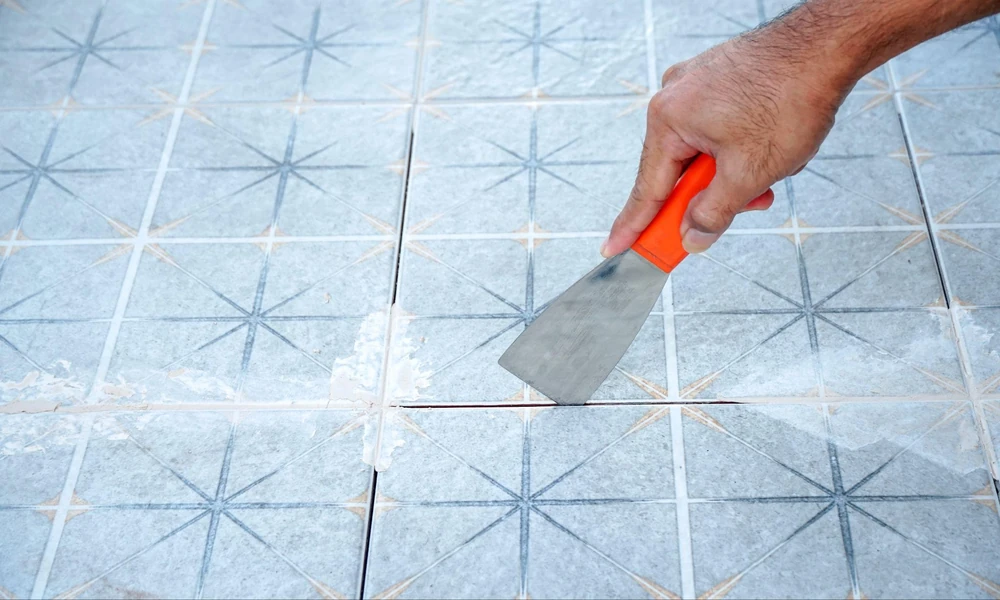
The act of regrouting floor tiles is a bit like giving your home a mini-facelift. It starts with the careful removal of the old, damaged grout. This part is crucial because you cannot simply layer new grout over the old stuff; it won’t bond properly and will flake off within weeks. Professionals use specialised tools to grind away the top few millimetres of the old material, creating a clean “channel” for the new mixture. It is a dusty job, but the results are worth the effort. Once the channels are clear and vacuumed out, a fresh batch of grout is pressed into the gaps, ensuring every void is filled and sealed.
Selecting the right type of floor tile with grout for the replacement is the next step. Technology has come a long way, and modern grouts are far more resistant to stains and water than the products used twenty years ago. You can choose from various formulations, including epoxy or polymer-modified options that are incredibly tough. This is also your chance to change the colour. If you’ve always hated the stark white lines that show every speck of dust, why not switch to a soft grey or a warm mocha? It’s a small change that can completely alter the vibe of your kitchen or hallway, making it feel more contemporary and lived-in.
Preventing Water Damage and Loose Tiles
One of the biggest benefits of regrouting is protection. We often forget that grout acts as a barrier. In bathrooms and laundries, it prevents water from reaching the subfloor. If your grout is compromised, that water can rot wooden joists or cause concrete to degrade, leading to incredibly expensive repairs down the line. By ensuring your grout is solid and waterproof, you are essentially insurance-proofing your home against leaks. It is a proactive step that saves a lot of heartache. Plus, fresh grout provides better lateral support for the tiles, reducing the chances of them shifting or rubbing against each other.
A solid floor is also a quieter floor. Have you noticed those little clicks or squeaks when you step on certain tiles? That often happens because the grout has crumbled away, allowing the tile to move slightly. When you perform a thorough regrouting of floor tiles, you lock those pieces back into place. The floor feels more substantial and “solid” underfoot. It’s one of those subtle improvements that you might not notice immediately, but it contributes to the overall sense of quality in your home. A well-maintained floor tile with grout also increases the resale value of your property, as savvy buyers can spot a well-kept floor from a mile away.
Maintaining Your Newly Regrouted Floor
Once the work is done, you want to keep it looking great for as long as possible. The key is to wait for the grout to cure fully before you start heavy cleaning. Once it is set, applying a high-quality sealer can provide an extra layer of defence against spills. For daily maintenance, avoid using harsh acids or abrasive scrubbers that can eat away at the grout’s surface. Instead, a simple pH-neutral cleaner and a soft mop are usually all you need. It’s also a good idea to use mats in high-traffic areas or under heavy furniture to prevent physical wear on the grout lines.
In the end, regrouting is about more than just aesthetics; it is about preservation. Your tiles are likely still in great shape, so why replace them? By focusing on the gaps between them, you can extend the life of your flooring by a decade or more. It’s a sustainable choice that reduces waste and saves you a significant amount of money. If you look down and see crumbling lines and stubborn stains, don’t despair. A professional refresh is often all that is needed to make your home feel bright and sturdy again. It’s a practical investment in the comfort and longevity of your living space.
Conclusion
Regrouting is a smart, efficient way to protect your home and enhance its beauty. By addressing cracked or stained lines, you prevent water damage and ensure your tiles remain firmly in place for years to come. Whether you are looking to modernise your colour palette or simply fix a failing floor, the results of regrouting floor tiles are always impressive. A well-laid floor tile with grout is the foundation of a clean and happy home. Grout ProTech is here to help you restore your surfaces to their former glory. Contact us today to learn more.