


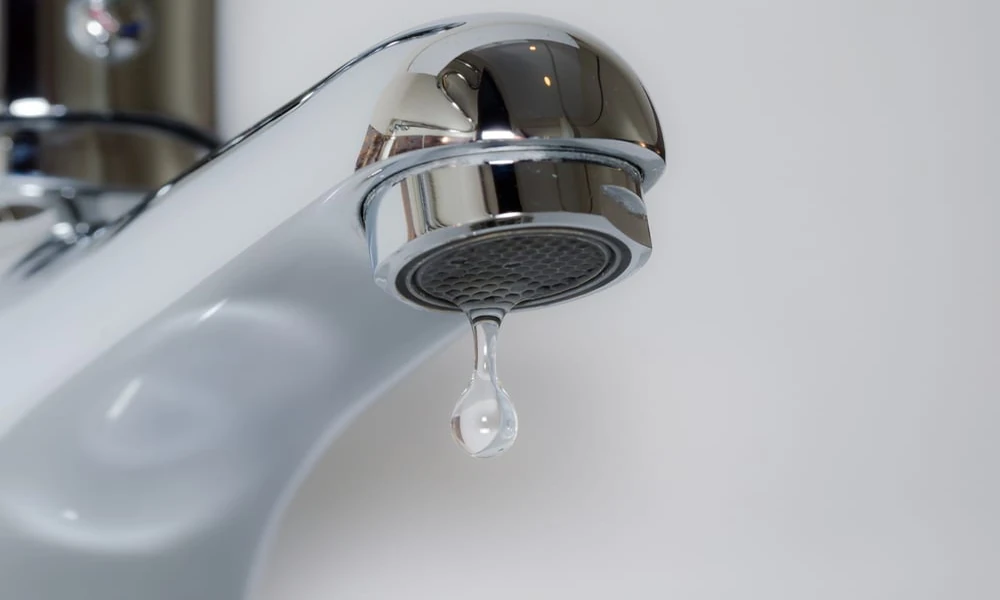
A faucet that releases a small drip every few seconds may not seem like a serious plumbing concern. It is easy to ignore the sound, especially when the sink, shower, or bathtub continues to function normally. However, a persistent leak can indicate worn components, pressure problems, damaged seals, or other plumbing issues that may gradually become more expensive to address.
For Houston homeowners, paying attention to minor faucet problems can help protect plumbing fixtures and surrounding surfaces. Warm conditions, frequent fixture use, water pressure, and the age of plumbing components can all influence how quickly a small issue develops. Taking action early is generally easier than waiting until a minor drip becomes a more disruptive plumbing problem.
A Small Drip Can Waste More Water Than Expected
One of the most immediate consequences of a leaking faucet is unnecessary water consumption. A few drops may appear insignificant, but a faucet that continues dripping throughout the day can waste a considerable amount of water over weeks or months.
This waste can contribute to higher utility costs while also placing unnecessary demand on household plumbing. Homeowners seeking leaking faucet repair Houston services may initially be motivated by an annoying dripping sound, but addressing the underlying problem can also help reduce ongoing water waste. A leak should therefore be treated as a maintenance issue rather than simply an inconvenience.
Internal Faucet Components Can Continue Deteriorating
Most faucets rely on several small components to regulate water flow. Washers, cartridges, seals, O-rings, valve seats, and other internal parts experience repeated movement whenever a faucet is used.
When one component begins wearing out, water may escape even after the handle is completely closed. Continuing to use the faucet without repair can put additional stress on related components. What begins as a worn washer or seal may eventually require several parts to be replaced.
Early inspection can make it easier to identify the damaged component before deterioration spreads throughout the fixture.
Moisture Can Damage Cabinets And Nearby Surfaces
Not every faucet leak goes directly into the sink. Water can sometimes escape near the faucet base, handles, supply connections, or plumbing underneath the fixture.
A slow leak beneath a kitchen or bathroom sink can be particularly troublesome because it may remain unnoticed. Water can gradually soak into cabinets, shelving, flooring, or nearby building materials. Over time, these surfaces may stain, swell, weaken, or develop unpleasant odors.
Regularly checking the area beneath sinks can help homeowners identify moisture before significant material damage develops. Damp cabinet floors, water marks, peeling finishes, or unexplained musty smells deserve attention.
Mineral Deposits Can Affect Faucet Performance
Water contains naturally occurring minerals that may leave deposits around plumbing fixtures. When a faucet continuously leaks, repeated moisture exposure can encourage visible buildup around the spout, handles, aerator, or sink surface.
Deposits may affect appearance, but they can also interfere with fixture operation. Aerators may become restricted, handles can become harder to move, and internal components may not seal as effectively.
Cleaning visible buildup can improve appearance, but it does not necessarily solve the reason water is leaking. If dripping continues after routine cleaning, the internal faucet mechanism may need to be inspected.
Leaks Can Sometimes Point To Water Pressure Issues
A dripping faucet does not always mean that the faucet itself is the only problem. In some situations, excessive or inconsistent water pressure can contribute to leaks and premature wear.
Household plumbing fixtures are designed to operate within appropriate pressure ranges. When pressure is too high, valves, connections, seals, and flexible supply lines may experience additional stress. A faucet could become one of the first places where symptoms appear.
If several fixtures develop leaks within a relatively short period, checking the broader plumbing system may be worthwhile. Repairing individual faucets without identifying an underlying pressure problem could result in recurring issues.
Corrosion Can Turn Minor Problems Into Fixture Failures
Metal faucet components are regularly exposed to water, moisture, and changing temperatures. As fixtures age, corrosion may develop around valve seats, connections, threads, or internal surfaces.
Minor corrosion may initially cause occasional dripping. If deterioration continues, however, the affected component may become difficult to repair reliably. Severe corrosion can eventually make replacement more practical than repeated repairs.
Homeowners should pay attention to discoloration, rust, stiffness, unusual noises, or water appearing around fixture connections. These symptoms may indicate that the faucet needs more than a simple adjustment.
Ignoring Leaks Can Increase Repair Costs
Minor plumbing problems are often less complicated when addressed early. Waiting can allow moisture damage, corrosion, mineral accumulation, and component wear to progress.
A straightforward faucet repair could eventually become a fixture replacement or a repair involving cabinetry and surrounding materials. The exact outcome depends on where the water is escaping and how long the problem has existed.
Homeowners do not need to assume every drip represents a plumbing emergency. However, persistent leaks deserve investigation rather than indefinite postponement.
Protecting Houston Homes Through Timely Maintenance
Faucets are among the most frequently used utility fixtures in a home, so it is inevitable that they will experience normal wear and tear. Periodically checking handles, spouts, supply connections, and areas beneath sinks can make minor problems easier to catch.
A dripping faucet can be a warning that a seal is failing, a component is worn, pressure is unsuitable, or corrosion is developing. Addressing the source promptly helps limit water waste and reduces the possibility of damage spreading to other parts of the home.
For Houston homeowners, responding to small faucet leaks early is a practical part of routine property maintenance. A few drops today may seem harmless, but preventing those drops from becoming a larger plumbing issue can save water, protect household surfaces, and help keep fixtures working reliably.