


Privacy is an important consideration when selecting temporary accommodation. The amount and type of privacy required can vary depending on whether a person is travelling alone, staying with a partner or sharing accommodation with a larger group.
Apartment layout, sleeping arrangements, bathrooms and communal areas can all influence how easily occupants maintain personal space. That said, when selecting a short-stay apartment in Singapore, travellers must consider both the number of occupants and how they expect to use the accommodation each day for an enjoyable experience.
What Privacy Needs Do Solo Travellers Typically Have?
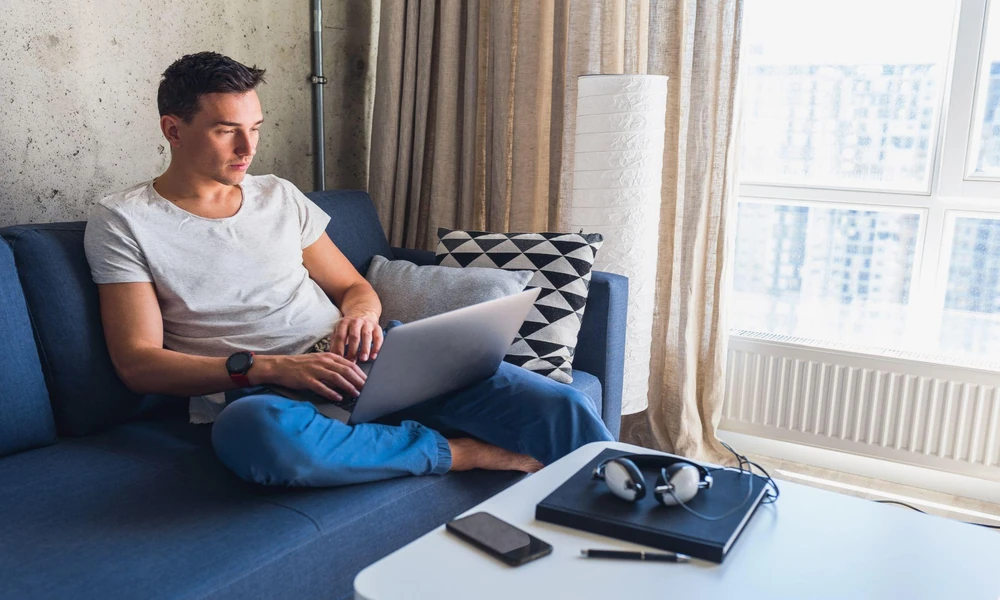
Solo travellers do not need to separate their living space from other members of their travelling party. As a result, their privacy requirements often relate more closely to having control over their own accommodation and facilities.
For example, a studio rental typically combines sleeping and living functions within one main space. This arrangement may be practical for an individual who does not require separate rooms for different occupants.
Privacy considerations for solo travellers can include:
- Private sleeping space: The traveller has a dedicated area in which to rest without sharing it with other guests.
- Bathroom arrangements: A private bathroom can reduce the need to share personal facilities.
- Building access: Controlled entrances and access arrangements can help separate residential areas from publicly accessible spaces.
- Housekeeping arrangements: Knowing when housekeeping or maintenance staff may enter allows occupants to manage access to their space.
- Workspace: Travellers working remotely may consider whether the accommodation provides an appropriate place for calls or focused work.
That said, for solo stays, privacy is therefore often less about creating separation within the apartment and more about maintaining control over the individual living environment.
How Do Privacy Needs Change for Couples?
Couples share accommodation by choice, but this does not necessarily mean that separate spaces are unnecessary. Different work schedules, sleeping habits and daily routines can make some degree of separation useful, particularly during longer stays.
A studio places most daily activities within one main room. Couples considering a studio rental in Singapore may therefore assess whether the layout provides enough space for their expected activities.
Important considerations include:
- whether one person needs to work while the other rests;
- whether work calls require a quieter area;
- whether sleeping and living spaces can be used independently;
- whether there is sufficient storage for two occupants; and
- whether bathroom and dressing arrangements provide adequate personal space.
A separate bedroom can provide greater physical separation between sleeping and daytime activities. Privacy requirements for couples therefore depend not only on occupancy but also on how their routines overlap.
What Privacy Needs Should Groups Consider?
Privacy becomes more complex when accommodation is shared by friends, colleagues or family members. Groups need to consider both communal areas for shared activities and private areas where individuals can sleep, work or spend time separately.
A 2-bedroom serviced apartment can provide physical separation between sleeping areas while retaining shared facilities such as a kitchen or living room. However, travellers should still check the actual layout and intended occupancy rather than relying solely on the number of bedrooms.
Groups can consider:
- Bedroom allocation: Separate bedrooms may be appropriate for occupants who require greater personal space.
- Bathroom access: The number and location of bathrooms can affect how easily occupants manage daily routines.
- Shared living areas: Communal spaces allow occupants to socialise without using bedrooms as gathering areas.
- Work requirements: Colleagues may need separate areas for confidential calls or meetings.
- Different schedules: Separate rooms can reduce disruption when occupants wake, sleep or work at different times.
That said, for group stays, suitable privacy generally depends on how private and shared spaces are distributed across the accommodation.
Why Does Privacy Matter When Choosing Accommodation?
Privacy affects how effectively accommodation can support sleeping, working, socialising and everyday routines. The appropriate level of privacy is therefore linked to both the number of occupants and the purpose and duration of the stay.
That said, when comparing a short-stay apartment, travellers can look beyond total floor area and examine how that space is organised. A larger apartment does not automatically provide greater privacy if sleeping, working and communal areas are not suitably separated.
Useful details to check before booking include floor plans, bedroom configurations, bathroom arrangements, access controls and housekeeping policies. For instance, for group stays, a 2-bedroom serviced apartment may offer more separation than an open-plan layout, while solo travellers may find a compact studio sufficient for their needs.
Ultimately, privacy requirements vary according to who is travelling and how the accommodation will be used. Assessing the layout alongside daily routines can help travellers choose a configuration that provides an appropriate balance between personal and shared space.
Frequently Asked Questions
Is a studio apartment private enough for two people?
It can be, depending on the occupants’ preferences and routines. Because a studio generally uses one main living and sleeping area, couples should consider whether they need separate spaces for working, sleeping or other activities.
Is a two-bedroom apartment suitable for a group?
It may be suitable depending on the number of occupants, bedroom configuration and occupancy rules. Travellers should check sleeping arrangements and shared facilities before booking.
Does a longer stay require more private space?
Not necessarily, but longer stays can involve more daily activities within the accommodation. Working, cooking and spending leisure time indoors may make separate functional areas more relevant.
What should travellers check before booking shared accommodation?
Travellers can review floor plans, bedroom arrangements, bathrooms, communal spaces, access arrangements and occupancy limits. These details provide a clearer picture of how much privacy the accommodation offers.
Why is apartment layout important for privacy?
Layout determines how sleeping, working and communal activities are separated. Well-defined spaces can allow several occupants to follow different routines with less interference.
Visit The Initial Residence to find the space that fits the way you stay.