


Key Takeaways
- Heat treatment and chemical treatment are the two most common methods used to eliminate bed bugs.
- Heat treatment kills bed bugs and eggs through high temperatures.
- Chemical treatment uses insecticides to target active infestations and provide residual protection.
- Each method has advantages depending on the infestation level and property requirements.
- Professional assessment helps determine the most suitable treatment approach.
Introduction
Bed bugs are difficult pests to eliminate because they hide in cracks, furniture, mattresses, and other hard-to-reach areas. Once an infestation develops, prompt treatment is necessary to prevent it from spreading further. Two of the most widely used solutions in bed bug control in Singapore are heat treatment and chemical treatment. While both methods can be effective, they work differently and offer distinct advantages. Understanding these differences helps property owners choose the most appropriate option when engaging professional pest control services.
Heat Treatment
Heat treatment works by raising the temperature within an infested area to levels that are lethal to bed bugs. Specialised equipment is used to heat rooms and furnishings to temperatures that eliminate bed bugs at all stages of their life cycle, including eggs.
One major advantage of heat treatment is its ability to penetrate hidden areas where bed bugs commonly shelter. Heat can reach deep inside mattresses, furniture, wall voids, and other locations that may be difficult to access using conventional treatments. Because the process targets both adult bed bugs and eggs simultaneously, results are often achieved more quickly. In some cases, a single treatment session may be enough to resolve the infestation.
However, heat treatment requires careful preparation. Heat-sensitive items may need to be removed or protected before the procedure begins. The equipment and expertise required can also make this option more expensive than other treatment methods.
Chemical Treatment
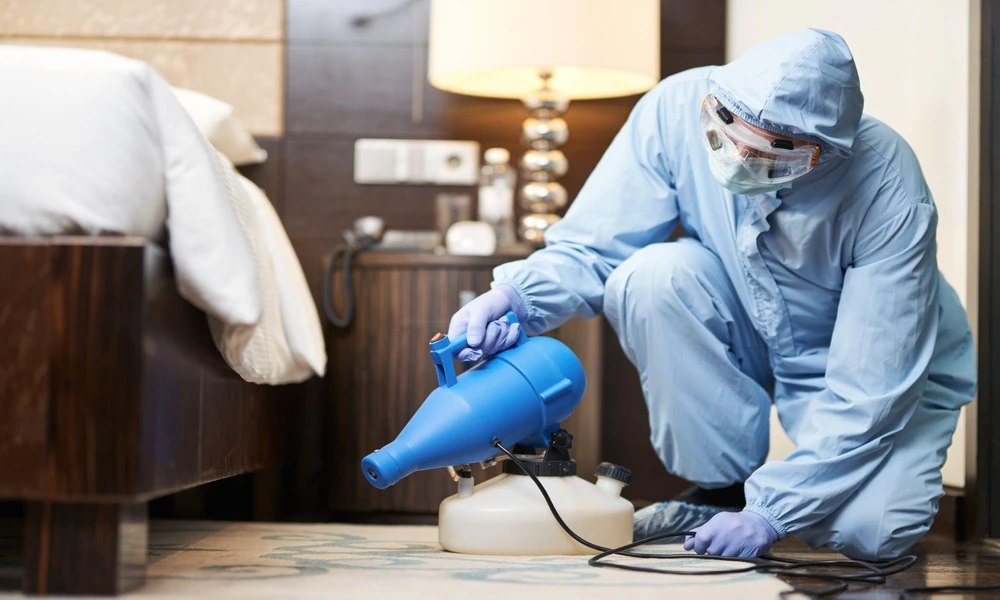
Chemical treatment involves applying approved insecticides to areas where bed bugs live, hide, or travel. Pest management professionals treat locations such as bed frames, furniture joints, skirting boards, cracks, and crevices where bed bugs are most likely to be found.
One of the key benefits of chemical treatment is its cost-effectiveness. It can be applied to specific problem areas without requiring the entire room or property to be heated. In addition, many products leave residual deposits that continue working after the initial application. This residual effect can help eliminate bed bugs that emerge from hidden locations after treatment.
The main limitation is that multiple visits may be required. While insecticides can effectively kill active bed bugs, eggs may survive and hatch later. Follow-up inspections and additional applications are therefore often recommended to ensure complete control of the infestation.
Comparing the Two Methods
Heat treatment is often preferred when rapid results are required. Because it eliminates bed bugs and eggs in a single process, it can reduce treatment time and minimise disruption. This makes it attractive for hospitality businesses, rental properties, and situations where rooms need to be returned to use quickly.
Chemical treatment offers greater flexibility and is generally more affordable. It is particularly suitable for localised infestations and ongoing pest management programmes. The residual protection provided by certain insecticides can also help reduce the risk of surviving bed bugs re-establishing the infestation.
The choice between the two methods should not be based solely on cost. Factors such as infestation severity, property layout, occupancy requirements, and treatment objectives all influence which approach is likely to deliver the best results. Working with professional pest control services ensures that the selected treatment method is tailored to the specific needs of the property and infestation.
Conclusion
Both heat treatment and chemical treatment are effective solutions for managing bed bug infestations. Heat treatment provides fast and comprehensive elimination, while chemical treatment offers targeted control and residual protection. The most suitable option depends on the specific circumstances of the infestation. By consulting professional pest control services, property owners can select the most effective strategy for bed bug control and improve the chances of long-term pest management success.
Contact EcoSpace Pest Management and learn effective options for long-term bed bug control.