


A water stain on the ceiling rarely sits directly under the spot where water gets in. Moisture enters at one point, travels along rafters, sheathing seams or the top of insulation, and finally drips wherever gravity wins. That is why a leak can seem to appear at random, and why patching the obvious spot so often fails to stop it.
The more useful question is not where the stain is but what is feeding it. Roof leaks fall into a handful of source categories, from weather and aging materials to flashing details, trees and even moisture generated inside the house. Each one leaves different clues and needs a different fix. Sorting a leak by its source first is what turns an endless cycle of patches into a single, lasting repair.
Knowing the category also makes it easier to judge when professional help is needed. Budget Roofing, based in Florence, MA and serving West Springfield and the surrounding Western Massachusetts communities, starts every project with a detailed roof inspection before making any recommendation. The company brings more than 25 years of experience with asphalt shingle and metal systems, handles emergency calls for wind damage, fallen trees and water intrusion, and is licensed, bonded and insured. The phones are answered seven days a week from 7am to 7pm, and a free estimate is the simplest way to learn whether a leak calls for a targeted repair or a bigger conversation.
Weather Driven Leaks
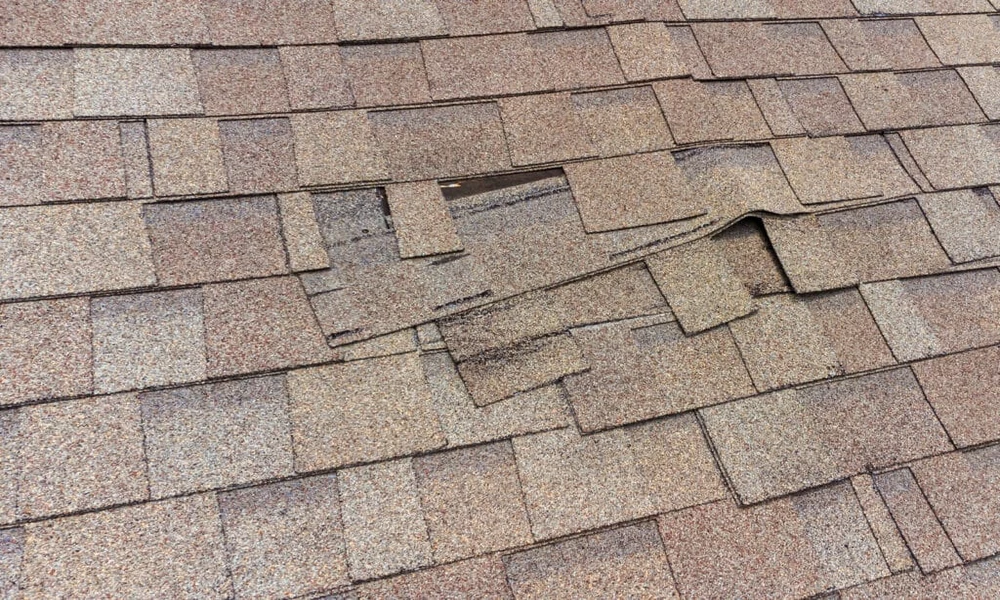
Wind is the most common trigger after a storm. Gusts lift shingle tabs, break the adhesive seal strip and sometimes remove shingles entirely. Once the seal is broken, a shingle can look fine from the ground while letting wind driven rain slip underneath it.
Ice dams are the cold weather version. Heat escaping from the living space warms the roof deck, snow melts, and the water refreezes at the colder eaves. The resulting ridge of ice backs water up under shingles, where it seeps into walls and ceilings. Cold climate codes call for an ice and water shield membrane along the eaves for this reason, but older roofs often lack it.
Rain itself is becoming a bigger factor. Federal climate assessments show the Northeast has experienced a sharper rise in heavy downpours than any other U.S. region over recent decades. Roofs designed around gentler rainfall now see more water in less time, which exposes weak details faster.
Materials Reaching the End of Their Life
Asphalt shingles lose their protective granules gradually. Heavy granule buildup in gutters or at downspout outlets is a sign the asphalt beneath is exposed to UV and aging faster. Curling edges, cracked tabs and brittle shingles follow.
Nail pops are a subtler aging issue. Seasonal expansion and contraction of the wood deck can push nails upward until they lift the shingle above them, leaving a small opening. Underlayment ages too, and once it degrades, the roof loses its second line of defense.
Flashing and Roof Penetrations
A large share of leaks start wherever something interrupts the roof surface. Chimneys, skylights, dormer walls, vent pipes and valleys all depend on metal flashing and sealants to shed water.
Rubber pipe boots around plumbing vents commonly crack after roughly a decade of sun exposure, well before the shingles around them wear out. Step flashing along sidewalls can be missing entirely on older or patched roofs, replaced by a bead of caulk that fails within a few seasons. Chimney counterflashing loosens as mortar joints deteriorate. Leaks here tend to appear only during certain storms, when wind pushes rain from a specific direction.
Trees, Gutters and Debris
Overhanging trees cause damage in two ways. Large limbs or whole trees can puncture decking during storms, which is an emergency that calls for immediate tarping to limit water intrusion. Smaller branches rub shingles in the wind and wear through them slowly.
Fall brings a quieter problem. Leaves and needles pile up in valleys and behind chimneys, trapping moisture and forcing water sideways under shingles. Clogged gutters let water back up under the drip edge and rot the fascia and deck edges. Clearing debris before winter also reduces ice dam risk, since blocked gutters hold meltwater right where it freezes.
Sources Inside the House
Some “leaks” have nothing to do with the roof covering at all. Poor attic ventilation traps warm, humid air, which condenses on the cold underside of the roof deck. In deep winter it freezes as frost on nail tips, then melts during a warm spell and drips onto ceilings, mimicking a roof leak.
Bathroom exhaust fans vented into the attic instead of outdoors make this worse. Air conditioning condensate lines in attics can clog and overflow in summer. When a stain shows up on a clear, dry day, the source is almost always inside.
Matching Symptoms to Their Source
| Where the evidence appears | When it shows up | Most likely source | Usual remedy |
|---|---|---|---|
| Stains near exterior walls, lower ceiling edges | Late winter thaws | Ice dam backup at eaves | Ice and water membrane, attic air sealing and insulation |
| Ceiling spots below a bathroom or kitchen vent | During steady rain | Cracked pipe boot | New boot or flashing collar |
| Wet drywall beside a chimney or dormer | Wind driven storms from one direction | Failed step or counterflashing | Reflash and repoint as needed |
| Scattered drips, rusty nail heads in attic | Cold snaps followed by warm days | Condensation and attic frost | Balanced intake and exhaust ventilation |
| Sudden heavy water after a storm | Immediately | Wind damage or impact from limbs | Emergency tarp, then deck and shingle repair |
| Slow staining along the roofline | Fall and early winter | Clogged gutters, debris in valleys | Cleaning, drip edge repair, possible fascia work |
| Widespread small leaks on an older roof | Most rainfalls | Worn shingles and underlayment | Replacement rather than spot repairs |
Reading the Pattern Over Time
Timing tells you almost as much as location. Leaks that appear only in certain winds point to flashing. Leaks that follow thaws point to ice dams or condensation. Leaks that multiply with every storm usually signal a roof near the end of its service life, where continued patching costs more than it saves. Photographing stains, noting the date and weather, and checking the attic with a flashlight during rain gives any inspector a head start and makes the final diagnosis faster and more accurate.