


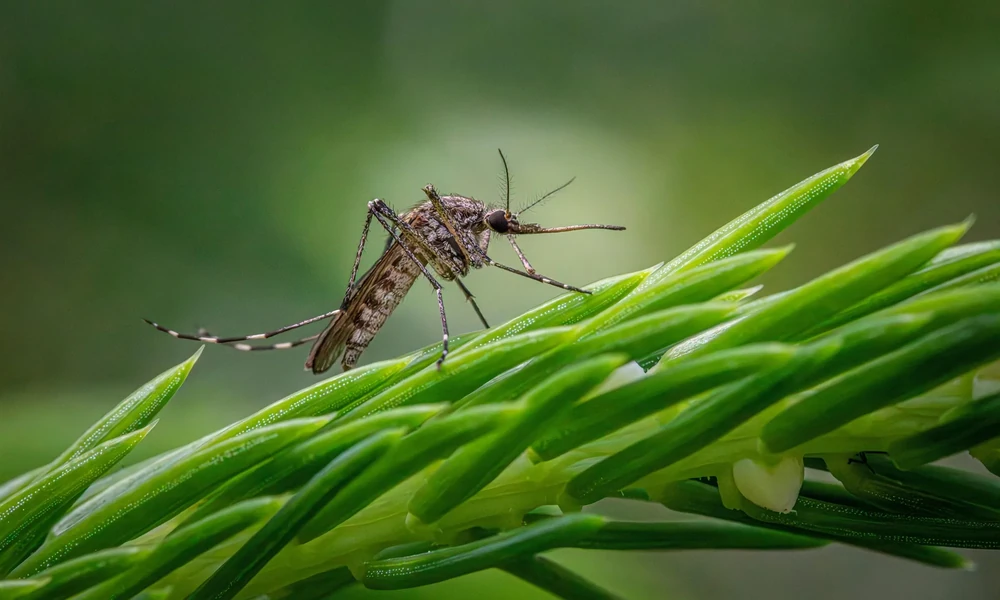
Seminole County’s retention basins, storm drains, and shaded creek corridors along the Little Wekiva give mosquitoes many places to breed close to homes. Also, the area’s warm, humid periods keep populations active later into the year. In neighborhoods like these, success depends on more than spraying on a regular schedule. Florida populations of Aedes aegypti have shown resistance in the majority of pyrethroid bioassays conducted on them, while the related Aedes albopictus has tested resistant in a much smaller number of the same trials. That difference between species is why effective Florida mosquito control services test and adjust their approach instead of running the same spray route on a fixed schedule.
Why Some Mosquito Populations Stop Responding to Standard Sprays
Florida studies have repeatedly found broad resistance to several adulticide active ingredients, pyrethroids in particular, along with a high rate of the genetic mutations that produce knockdown resistance. That resistance doesn’t appear overnight. It builds over repeated exposure to the same chemical classes, since:
- Only a limited set of insecticide classes are approved for mosquito control, and heavy reliance on a small number of active ingredients has allowed resistance to spread across multiple mosquito species.
- Resistance levels vary sharply by species and by zone. Populations in areas with heavier historical spraying show higher resistance ratios than populations in less-treated areas nearby.
- A mosquito doesn’t need to survive every exposure to pass resistance along. Surviving individuals reproduce and pass the trait to the next generation, so a population can shift within a breeding season.
Behavior Adjustments That Come with Chemical Tolerance
Resistance isn’t only a matter of surviving contact with a chemical. Research on resistant mosquito populations elsewhere has found that they can alter their blood-feeding behavior around insecticide-treated surfaces, adjusting where and when they land to avoid the heaviest exposure. A population that has built up tolerance in one part of a neighborhood can behave differently from a population two streets over that hasn’t faced the same treatment history. That’s one reason a product applied the same way across an entire service area loses ground over time.
How Rotating Products and Monitoring Interrupt the Pattern
Mosquito control programs that keep working track resistance the way a farmer tracks soil conditions, checking regularly instead of assuming last year’s approach still holds. Field-collected mosquitoes get tested against multiple active ingredients in bottle bioassays, and the results guide which products get used where. Here’s what that process changes in the field:
- Rotating between insecticide classes keeps any one resistance mechanism from becoming the dominant survival trait in a local population.
- Pairing larvicides with adulticides interrupts the population at more than one life stage, so resistance to an adult spray doesn’t leave the breeding source untouched.
- Adjusting treatment by zone rather than applying one blanket approach citywide accounts for the resistance differences documented between neighboring areas.
Avata Pest Control builds its mosquito service around this kind of adjustment, drawing on Associate Certified Entomologists to select and rotate products based on what’s shown to still work in Central Florida populations. In a state where resistance has already been measured and mapped, that kind of adjustment counts for more than it would somewhere the mosquito population hasn’t faced years of chemical pressure
Signs a Yard’s Mosquito Problem Has Outgrown a Store-Bought Spray
A few patterns show up once a local population has built up tolerance to common consumer products:
- Bites continue within a day or two of using a yard fogger or spray, suggesting the product isn’t reaching the resistant portion of the population.
- Activity clusters in one part of the property even after broad treatment, which can point to a breeding source the spray never touched.
- The same brand or active ingredient has been used season after season without rotation, giving any resistant individuals a consistent advantage.
A chemical-adapted mosquito population doesn’t send a warning sign. The population grows while the spray schedule stays the same, and constant bites usually mean the resistance built up over more than one season.