


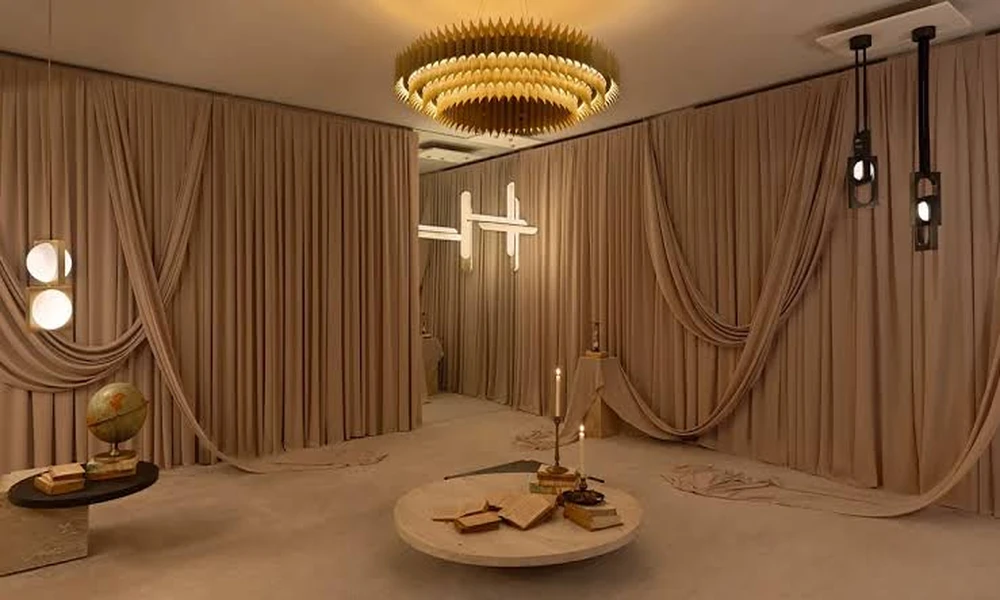
A room can be beautifully designed, but without the right lighting, it falls flat. The challenge today is not just to illuminate a space, but to do so with fixtures that double as design statements. Striking the right balance between utility and aesthetic appeal in lighting has become a central topic among homeowners, designers, and architects alike.
Defining Functionality and Style in Contemporary Lighting
What Constitutes Functionality in Lighting Design?
Functionality is the backbone of any good lighting solution. This means more than just brightness. It involves considering the intended purpose of the room, the activities that occur there, control over light levels, energy efficiency, and even the distribution of light to avoid glare or shadows. Functional lighting adapts to your needs, making spaces safer, more comfortable, and more productive.
The Role of Style in Modern Lighting Solutions
Style, on the other hand, turns a utilitarian fixture into a focal point. Contemporary lighting embraces bold shapes, innovative materials, and often, a bit of drama. Whether you are drawn to sculptural pendants, sleek track lights, or retro-inspired sconces, style infuses personality and emotion into a space.
Why Balancing Both Matters in Today’s Interiors
If functionality is ignored, a space becomes difficult to use, regardless of how beautiful it looks. But if style is dismissed, lighting fades into the background, missing an opportunity to elevate the room’s entire mood. Modern interiors demand lighting that works hard and looks good, encouraging manufacturers and designers to innovate at the intersection of practicality and visual allure.
Traditional vs. Modern Lighting Approaches
Characteristics of Traditional Functional Lighting
Traditional functional lighting prioritized utility above all else. Think of flush-mount ceiling lights or simple recessed cans that provided illumination but little excitement. The focus was on even, general lighting with little regard for appearance.
Stylistic Elements in Classic Lighting Designs
Classic designs, from ornate chandeliers to stained glass lamps, did bring style, though often at the expense of adjustability or efficiency. These fixtures were designed to impress, sometimes making maintenance or energy use an afterthought.
How Modern Lighting Challenges Conventional Boundaries
In contrast, modern lighting breaks free from old limitations. Today, it is possible to have dimmable, energy-efficient LEDs encased in artful forms. Adjustable arms, modular configurations, and customizable finishes allow fixtures to adapt to changing tastes and evolving functionalities, redefining what lighting can be.
Materials and Technology: Impact on Function and Aesthetics
Innovative Materials Enhancing Durability and Look
The rise of eco-friendly composites, hand-blown glass, anodized aluminum, and even recycled plastics has shifted the conversation. These materials enable lightweight constructions, unique textures, and colors that can’t be achieved with old-school brass or wood.
Smart Lighting Technology and Its Dual Role
Smart technology has made it easier to dial in both utility and ambiance. Color-changing bulbs, app-controlled dimmers, and programmable scenes mean that a single fixture can morph to suit any occasion, blurring the lines between function and style.
Comparing Energy Efficiency with Visual Appeal
LEDs are a game-changer. They consume up to 80 percent less energy than incandescent bulbs and last for years, making them an obvious choice for the eco-conscious. Importantly, modern LEDs can also mimic popular lighting temperatures, from cool daylight to warm candlelight, without sacrificing design.
Lighting Types: Practicality Versus Design Focus
Ambient Lighting: Balancing Comfort and Style
Ambient lighting sets the tone for the whole room. Flush mounts, indirect coves, or oversized pendants can provide ample illumination while also acting as sculptural features.
Task Lighting: Prioritizing Function without Sacrificing Design
Good task lighting, like under-cabinet LEDs or adjustable desk lamps, is focused and glare-free. The best examples seamlessly incorporate attractive materials or lines, proving that form and function can coexist.
Accent Lighting: When Style Takes Center Stage
Accent lights draw the eye, highlighting art or architectural features. Here, the visual impact often trumps raw practicality, but a well-chosen accent fixture can still offer indirect utility by enhancing depth and interest in a space.
Integrating Lighting into Interior Design Styles
Minimalist interiors benefit from streamlined fixtures that virtually disappear, while industrial spaces often use exposed bulbs and metals to highlight both rawness and clarity. Eclectic rooms might juxtapose vintage pendants with contemporary LED strips, provided each piece maintains a purposeful role.
Challenges in Harmonizing Function and Style
The journey to harmony is not without bumps. Choosing a fixture solely for looks can leave you squinting in a poorly lit room, while picking for function alone may result in a bland atmosphere. Space limitations and budget constraints can further complicate the process, demanding creative workarounds like layered lighting or modular systems.
Practical Strategies for Achieving Balance
Start by assessing the room’s needs, then select fixtures that address both the tasks and the atmosphere you want to create. Layered lighting, combining ambient, task, and accent sources, offers flexibility. Customization, whether through finishes, shapes, or smart controls, provides another route to tailor lighting to any context.
For those searching for inspiration or innovative solutions, resources like Avant-Scene lighting showcase how cutting-edge design and utility can be thoughtfully combined.
Future Trends in Lighting Design: Functionality and Style Converge
Emerging technologies will further intertwine function and form, with adaptive fixtures, wireless controls, and sustainable materials at the forefront. Sustainability is quickly becoming a central consideration, with consumers demanding products that are as gentle on the environment as they are beautiful. As preferences shift, expect lighting to become even more personalized, responsive, and artful, proving that utility and style are not mutually exclusive, but deeply interconnected in the spaces of tomorrow.