


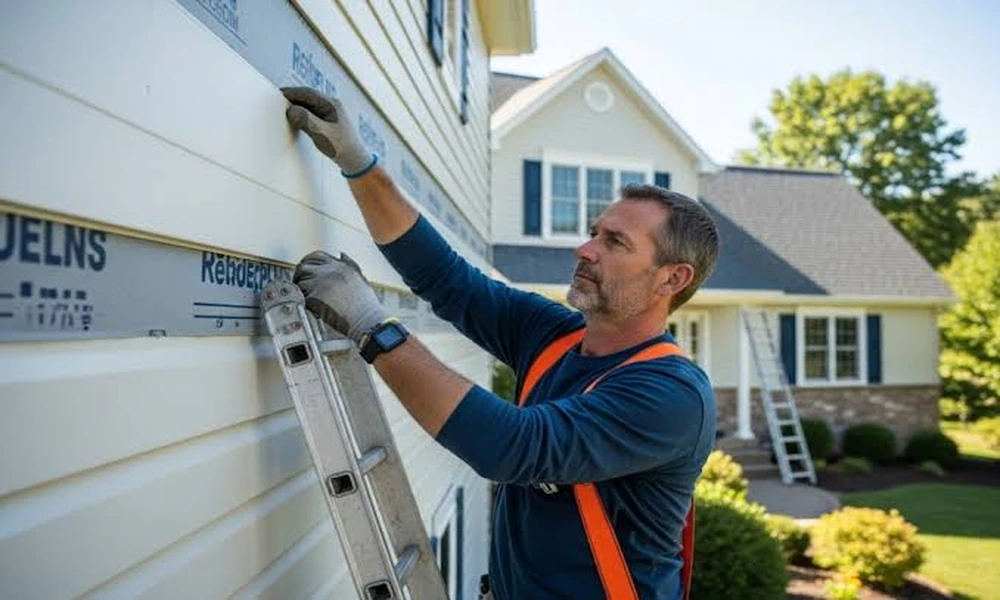
Vinyl siding is a popular choice for homeowners looking to update the exterior of their homes. It can provide a clean, consistent appearance while requiring relatively little routine maintenance. It is also available in a wide variety of colors, profiles, textures, and styles, making it possible to create an exterior that complements many different types of homes.
However, choosing the right siding material is only one part of a successful renovation. The contractor responsible for installing it can have a significant impact on the finished appearance and long-term performance of the project.
If you are considering new siding, it is worth spending time researching contractors before signing an agreement. A reliable professional should be able to explain the installation process, provide a detailed proposal, answer your questions, and clearly outline what is included in the project.
Here are some important factors to consider when comparing contractors.
Look for Experience With Vinyl Siding
Siding installation requires more than attaching panels to the outside of a house. Proper installation involves accounting for the home’s structure, expansion and contraction, corners, windows, doors, trim, and other exterior details.
Vinyl expands and contracts with temperature changes, so installation needs to accommodate normal movement. The Vinyl Siding Institute provides installation guidance and training resources designed to promote proper installation practices.
When interviewing a contractor, ask how much experience they have with vinyl siding and whether they regularly work on homes similar to yours.
You can also ask to see photographs of previous projects.
For homeowners researching vinyl siding contractors in Bergen County NJ, experience with local homes and different architectural styles can be particularly useful when evaluating potential contractors.
Verify Registration and Insurance
Before allowing a contractor to begin work on your home, verify the company’s credentials.
New Jersey requires home improvement contractor businesses generally to register with the state unless a specific exemption applies. The state’s Home Improvement Contractor program provides information about registration and consumer protections.
Homeowners should also ask for proof of appropriate insurance.
Insurance documentation can help you understand whether the contractor carries coverage relevant to the work being performed. New Jersey consumer guidance recommends that homeowners ask contractors for proof of liability insurance before hiring them.
Do not assume that a contractor’s registration or insurance automatically guarantees quality workmanship. These are verification steps that should be considered alongside experience, references, project details, and communication.
Ask for a Detailed Written Estimate
A professional proposal should explain what you are actually paying for.
When comparing estimates, look beyond the final price. Make sure you understand whether each proposal includes:
- Removal of existing siding
- Disposal of old materials
- Wall preparation
- New siding
- Housewrap or other applicable weather-resistive components
- Trim
- Flashing and related details
- Repairs to damaged areas
- Labor
- Cleanup
- Warranties
Two contractors can quote different prices while offering very different scopes of work.
A detailed estimate makes those differences easier to identify.
For homeowners searching for vinyl siding contractors in Essex County NJ, asking multiple companies to provide written proposals with comparable scopes can make the selection process much clearer.
Ask How the Existing Exterior Will Be Prepared
New siding should not simply be installed over an exterior without considering the condition of the surface underneath.
During an inspection, the contractor should look for potential problems such as damaged sheathing, moisture intrusion, deteriorated materials, or areas that require repair.
Some conditions may not become fully visible until the existing siding is removed.
Ask the contractor what happens if unexpected damage is discovered. Will the work stop until you approve the additional repair? How will additional costs be documented? Will changes to the schedule be communicated in writing?
Discussing these situations beforehand can help prevent unpleasant surprises.
Pay Attention to Installation Details
The quality of installation can affect both appearance and performance.
A professional should understand the manufacturer’s requirements for the selected product and the principles of proper vinyl siding installation.
Important areas include:
- Corners
- Windows
- Doors
- Roof intersections
- Soffits
- Fascia
- Exterior penetrations
- Trim
- Siding overlaps
- Expansion and contraction allowances
The Vinyl Siding Institute notes that proper installation practices help ensure siding can perform as intended while accommodating the material’s normal movement.
When speaking with contractors, ask them to explain how they approach these areas. A contractor who is willing to discuss installation details can make the process easier to understand.
Look at Completed Projects
One of the simplest ways to evaluate a contractor’s experience is to look at previous work.
Ask whether the company can provide photographs or references for completed siding projects.
When reviewing photographs, look beyond the overall color and style. Pay attention to the details.
Are the lines straight? Do corners look clean? Are the areas around windows neatly finished? Does the trim appear consistent?
Small details can make a significant difference in the appearance of a completed exterior.
If possible, speak with previous customers about their experience with communication, scheduling, workmanship, and cleanup.
Ask About Product Options
Not all vinyl siding products are identical.
Different manufacturers and product lines can vary in appearance, texture, profile, thickness, color selection, warranty terms, and other characteristics.
A contractor should be able to explain the products included in your proposal rather than simply describing them as “vinyl siding.”
Ask for the specific manufacturer and product line.
You can then review the manufacturer’s information and understand what you are purchasing.
It is also worth discussing trim, accessories, and color combinations at this stage. Siding should work with the home’s roof, windows, doors, stone, brick, and other exterior elements.
Understand the Warranty
Warranties can be an important part of a siding project, but homeowners should understand exactly what they cover.
Ask whether there is:
- A manufacturer’s product warranty
- A contractor workmanship warranty
- A written explanation of warranty terms
- Any maintenance requirements
- Any limitations or exclusions
Do not rely on verbal statements about warranty coverage. Request the relevant information in writing and keep your documents after the project is complete.
If a contractor makes a warranty promise that is not included in the written agreement, ask for clarification before signing.
Evaluate Communication Before Hiring
Communication is easy to overlook when comparing contractors, but it can have a major effect on the renovation experience.
Consider what happens during the estimate process.
Does the contractor arrive when expected? Do they listen to your concerns? Are your questions answered clearly? Is the proposal easy to understand? Do they explain unfamiliar terms?
These interactions can help you determine whether the company is likely to communicate effectively once the project begins.
For homeowners looking for vinyl siding contractors in Morris County NJ, choosing a contractor who provides clear communication can make it easier to manage decisions about materials, scheduling, and unexpected conditions.
Be Cautious About Extremely Low Estimates
Price is naturally an important factor in any home improvement project. However, an unusually low estimate deserves additional questions.
A low price could reflect differences in materials, preparation, labor, project scope, or other factors.
Instead of immediately choosing the least expensive proposal, compare the details.
Ask:
- What siding product is included?
- Is old siding removal included?
- Is disposal included?
- What preparation work is included?
- Are repairs included or excluded?
- What type of trim will be used?
- What warranties are provided?
- Is cleanup included?
The goal is to understand what each contractor is actually proposing.
Review the Contract Before Work Begins
A written contract protects both the homeowner and the contractor by establishing expectations.
New Jersey’s consumer guidance states that home improvement contracts over $500 must be in writing and should contain important information about the project, including the contractor’s identifying information, scope of work, price, and schedule.
Read the agreement carefully before signing.
Make sure the contract reflects what you discussed during the estimate, including materials, colors, trim, repairs, payment arrangements, and other important details.
If something is unclear, ask for an explanation before the project begins.
Ask About the Project Timeline
Siding projects can be affected by weather, material availability, home size, exterior complexity, and unexpected repairs.
Ask the contractor for an estimated start date and completion timeframe.
You should also ask how schedule changes will be communicated.
A contractor cannot control every circumstance that affects a renovation, but clear communication can make unexpected delays easier to manage.
Choose a Contractor Based on the Complete Picture
Hiring a siding contractor should involve more than comparing prices.
Experience, registration, insurance, product knowledge, installation practices, references, warranties, communication, and contract terms all deserve consideration.
If you are searching for vinyl siding contractors in Passaic County NJ, take the time to compare several qualified options and ask detailed questions before making a commitment.
The right contractor should be willing to explain the project rather than rush you into a decision. You should understand what materials will be installed, how the exterior will be prepared, what the project includes, and how unexpected issues will be handled.
Give Your Home Improvement Project a Strong Start
Vinyl siding can be a practical way to refresh the exterior of a home, but the quality of the finished project depends heavily on proper preparation and installation.
A thoughtful contractor-selection process can help homeowners avoid misunderstandings and establish realistic expectations from the beginning. Start by verifying credentials, reviewing previous work, comparing detailed estimates, discussing installation practices, and reading the contract carefully.
For KRR General Contractor, the objective should be to provide homeowners with a clear understanding of their siding options and the work involved. A successful project is not simply about installing new siding-it is about creating an exterior that fits the home, the homeowner’s goals, and the property’s long-term needs.
Before hiring a contractor, take the time to ask questions and make sure the answers are reflected in your written agreement. That preparation can make the entire siding renovation process more organized and transparent.